Comprehensive Dental Care at Our Dental Office Near Wylie
At My Dentist in Plano, we’re proud to extend our exceptional dental services to the vibrant community of Wylie, Texas. Located just a short drive away, our dental practice is committed to providing top-tier dental care for patients throughout Wylie and the surrounding North Texas region.
Are you looking for a new dentist who offers everything under one roof? Contact My Dentist in Plano! From general dentistry to cosmetic dentistry and more, Dr. Darren Dickson will ensure your oral health needs are met with care. To schedule an appointment, contact our Wylie dental office today at (972) 378-9747.
Why Choose Dr. Darren Dickson for Dental Care Near Wylie, TX?
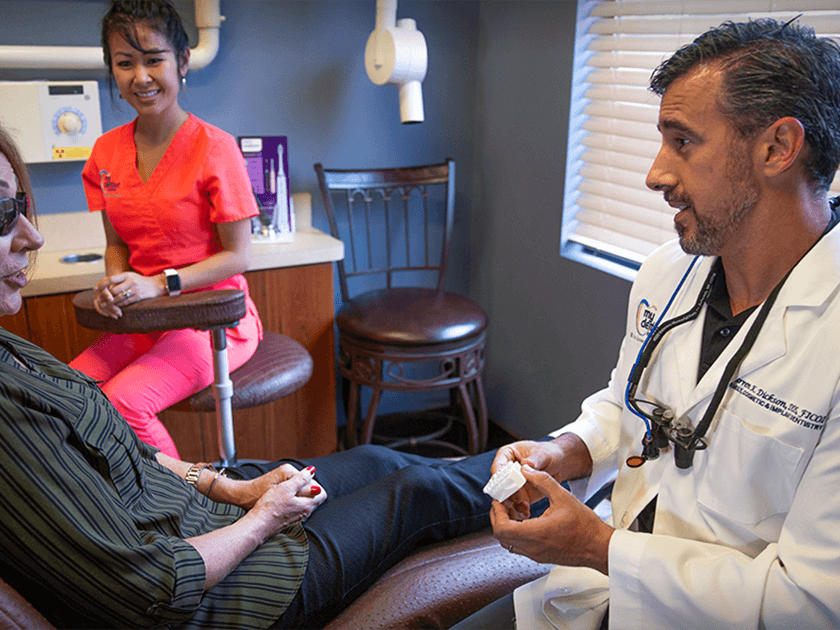
Dr. Darren Dickson, a Plano native and highly respected dentist, has built a reputation for excellence in dentistry that extends to Wylie and beyond. With a commitment to transforming smiles and improving oral health, our Wylie dentist and his team at My Dentist in Plano provide a blend of personalized care, state-of-the-art treatments, and a relaxing environment that puts patients at ease.
Located just minutes from Wylie (6545 Preston Rd. Suite 100 Plano, Texas 75024), My Dentist in Plano is easily accessible for residents in zip codes like 75098, offering a convenient solution for top-tier dental care without the need to travel far. From general dentistry to advanced procedures like All-on-4® dental implants, our trusted dentists’ practice is designed to meet the needs of all patients.
Meet Dr. Darren Dickson
Dr. Darren Dickson isn’t just a dentist—he’s a leader in the field with a passion for helping patients achieve their best smiles. A graduate of Plano Senior High School and Texas A&M University, Dr. Darren Dickson earned his Doctor of Dental Surgery (D.D.S.) from Baylor College of Dentistry in Dallas. His extensive training in dental school for dental implantology, combined with his fellowship status with the International Congress of Oral Implantologists, sets him apart as a skilled practitioner.
Recognized as one of “America’s Top Dentists” by the Consumers’ Research Council and voted “Best Aesthetic Dentist” in Plano by Star Local Media Readers’ Choice Awards, Dr. Darren Dickson brings a wealth of experience to every patient visit. His dedication to ongoing education and patient care makes him the ideal choice for patients seeking a dentist nearby that they can trust.
His commitment to dental care shines in his achievements, some of which include:
- Fellowship status with the International Congress of Oral Implantologists
- Co-Chairman of North Texas Dental Society’s Give Kids A Smile program (2008-2010), which helps underserved children receive free dental care
- Alternate state delegate for the Texas Dental Association (2010)
- Founder of Helping Hearts, a nonprofit that helps serve the dental needs of Plano, TX’s underprivileged
Contact our dental team today at (972) 378-9747 to get established as a new patient at My Dentist in Plano!
Dental Services Offered
General Dentistry
Visiting our Wylie dentist twice a year can help your teeth stay healthy. We offer the following general dental services:
- Teeth Cleanings and Exams: Thorough dental cleanings and detailed exams will keep your teeth and gums in tip-top shape.
- Digital X-Rays: Advanced imaging for accurate diagnostics with minimal radiation exposure. These are typically done once a year.
- Preventive Treatments: Fluoride treatments and dental sealants can help protect against cavities and tooth decay.
- Family Dentistry: Our family dentist works with patients of all ages.
Cosmetic Dentistry
Want a smile that stands out? Dr. Darren Dickson specializes in cosmetic dentistry, offering:
- Dental Bonding: A cost-effective treatment to repair chips, cracks, and discoloration in a single visit to our dental office.
- Teeth Whitening: Achieve a bright smile with our custom teeth whitening treatments.
- Porcelain Veneers: Transform your smile with thin porcelain shells that cover imperfections and create a flawless appearance.
- Smile Makeovers: We can combine multiple treatments to revive your smile.
- Invisible Braces: Straighten your teeth discreetly with clear aligners, often completed in as little as 12 months. Ditch traditional orthodontic treatment for inconspicuous clear aligner trays.
Dental Implants
Dr. Darren Dickson specializes in dental implant surgery. From single-tooth dental implants to a full-arch replacement, Dr. Darren Dickson can help you get your smile back. As a long-lasting tooth replacement option, you can smile for years to come without anyone noticing you have dental implants. To schedule an implant consultation, contact our dentist near you today by calling (972) 378-9747.
Restorative Dentistry
If you’re dealing with damaged or missing teeth, Dr. Darren Dickson’s expertise in restorative dentistry can help. Our restorative dentistry services include:
Sedation Dentistry
Nervous about visiting the dentist? At My Dentist in Plano, we prioritize your comfort with sedation options and a relaxing environment. Our safe sedation dentistry options, such as IV sedation, ensure that our patients can relax during any procedure, from routine teeth cleanings to complex treatments.
Emergency Dental Care
Dental emergencies don’t wait, and neither should you. Whether it’s a severe toothache, chipped tooth, or lost tooth, Dr. Darren Dickson is here to help with prompt, compassionate care. To get your oral health back on track after a dental emergency, contact our Wylie emergency dentist at (972) 378-9747.
See What Our Patients Are Saying
Wylie residents choose Dr. Darren Dickson for many reasons. Here’s what some of our patients are saying:
- “Dr. Darren Dickson and his staff are the BEST! My Dentist in Plano not only provides incredible work, it’s the most professional and well run dentist office I’ve ever used. They have my highest recommendation!” – Michael T.
- “Dr. Darren Dickson, Susie, his hygienist, and the whole office staff at My Dentist in Plano are extremely knowledgeable, caring, professional, and efficient. Having been a patient of Dr. Darren Dickson’s for many, many years, I’ve always been impressed with his skill and knowledge. He is very adept at teaching and explaining any necessary procedures and options. During every procedure, he is very solicitous of the patient. Having a great sense of humor, he makes dental visits actually enjoyable. All in all, Dr. Darren Dickson is an excellent dentist! I have referred many people to his practice and will refer many more in future.” – April P.
Special Offers for Patients
At My Dentist in Plano, we believe high-quality dental care should be affordable. That’s why we offer exclusive specials for new and returning patients, including:
- Complimentary Implant Consultation: Get a free exam and 3D CT scan (a $500 value) to see if dental implants are right for you.
- $99 Whitening for Life: New patients enjoy in-office whitening, custom trays, and annual refills with regular hygiene visits.
- VIP Plan: Save 15% on most dental treatments—perfect for those without dental insurance.
These are subject to change.
To learn more about our current specials, contact our dental office in Wylie, TX, today at (972) 378-9747.
Dental Insurance and Payment Options
We understand that the price of dental work can often hold you back. We’ll work with you to ensure you get high-quality care and an absolutely amazing dental experience.
- Acceptance of most major dental insurance plans
- Flexible payment arrangements
- Transparent pricing
- Care Credit financing options
- Cherry financing options
- In-office dental discount plan
Schedule Your Appointment with Dr. Darren Dickson Today
Your perfect smile is just a phone call away! Dr. Darren Dickson and the dental team at My Dentist in Plano are ready to welcome Wylie, TX, residents with open arms and top-notch dental care. Whether you need a routine teeth cleaning, a cosmetic upgrade, or a complete smile restoration, we’re here to make it happen in a comfortable, caring environment.
Contact our dentist in Wylie today for dental care for the whole family! Call (972) 378-9747! Let’s create a wonderful experience that meets all your dental needs.